
Chinese medicine is a special diet that is guided by the theories of Chinese medicine, culinary science and nutrition, in which Chinese medicine is combined with certain foods of medicinal value in a reasonable formula, or soup, or dish, or congee, or tea, with unique colour, aroma, taste, shape and effect, and has the effect of health care, disease prevention and cure.
Category:
Healthy
-
-
Stomach ulcers have become a common disease nowadays, and many young people suffer from this disease because they don't take care of their gastrointestinal tract in life, they always go on overeating and don't know how to control their diet, which will irritate the mucous membrane of the stomach and cause damage to the stomach.
-
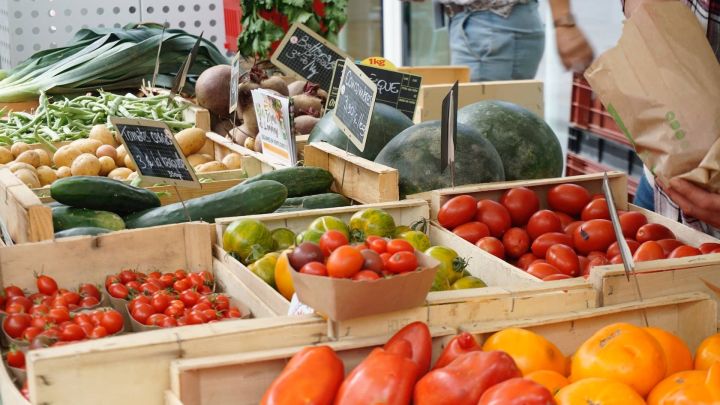
Once spring arrives, it is crucial to take proper care of your stomach and intestines. Foods for the stomach are actually often found on the market and are not expensive
-
As older people age, their body parts decline and blood flow slows, and their sleep and diet can be affected
-
Food is the most important thing for people, but do you know what to eat more? What to eat less or not? When should I eat it? When should I not eat?
-
For those who suffer from constipation, you can generally improve your symptoms through diet. Do not eat too fine a diet, but eat more coarse fibre foods such as celery, leeks, bamboo shoots, spinach, cauliflower, kelp, wild rice, cabbage, raw pears, bananas, corn and cereals. The meat and vegetables should be well-matched.
-
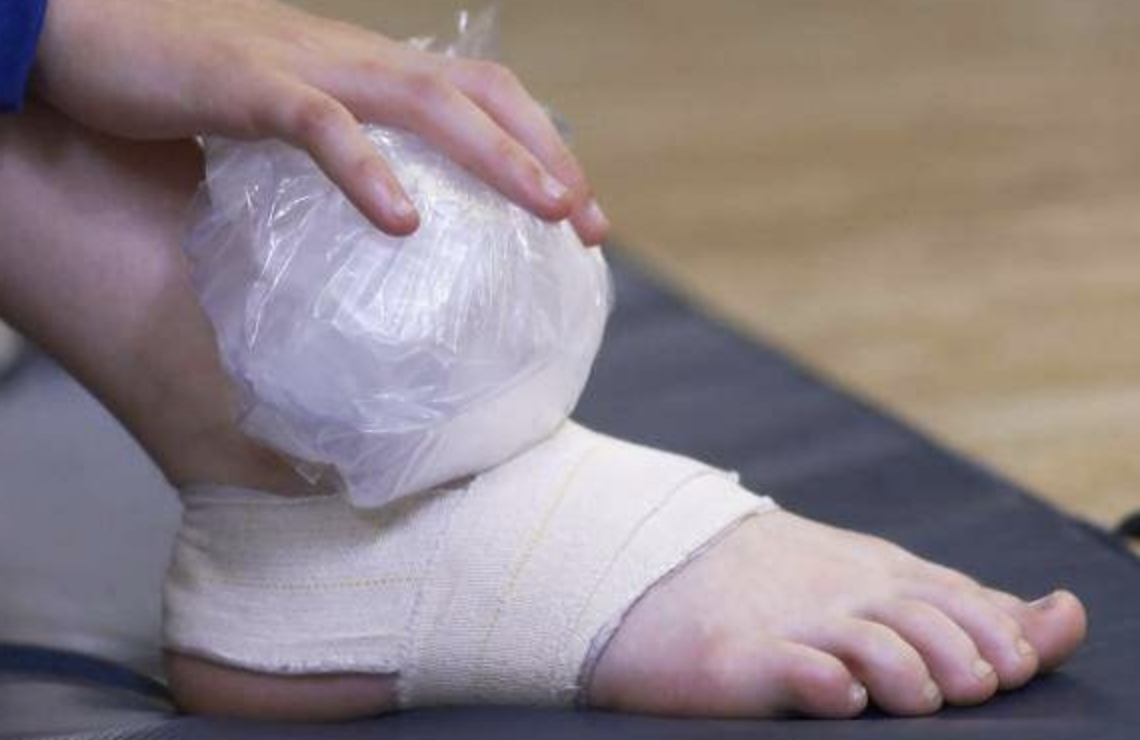
Cold compresses should be applied within 24 hours after a foot sprain to reduce swelling and relieve pain.
-
The lungs are a major organ of human respiration, and problems with them can directly affect the respiratory system and thus the health of a person's life. It is therefore very important to take care of your lungs. Instead of blindly buying those expensive health products, it is better to take some simple foods to cleanse and moisten your lungs.
-
Spring exercise is not a good idea: not too early, not too empty, not too dewy, not too aggressive, not too fast! The five principles of spring health care: no humidity, no acidity, no freezing, no static, no anger!
-
High cholesterol, if not controlled in time, can have a great impact on people's health in the long run, especially for people with cardiovascular diseases, which can easily worsen if cholesterol is too high. It is therefore important to control cholesterol levels in general.